
Carlos Malcolm: Jamaican Music Pioneer, Educator, and Cultural Visionary Dies at 91

By Ebony News Today Staff
PALM BAY, Fla. — The Caribbean and global music communities lost one of their most influential architects when Carlos Malcolm, the legendary musician, composer, arranger, educator, author, and cultural pioneer, passed away on May 6, 2026. He was 91.
Born in Colón, Panama, on November 10, 1934, to Jamaican parents, Malcolm dedicated more than seven decades to advancing music, culture, and education throughout the Caribbean and beyond. His extraordinary career helped shape the sound of modern Jamaican music and influenced generations of artists, musicians, and educators.
Widely known as a “musical chameleon,” Malcolm possessed a rare ability to compose, arrange, and perform across multiple genres and cultural traditions. His versatility and innovation made him one of the most respected figures in Jamaica’s musical evolution during the years leading to and following the nation’s independence.
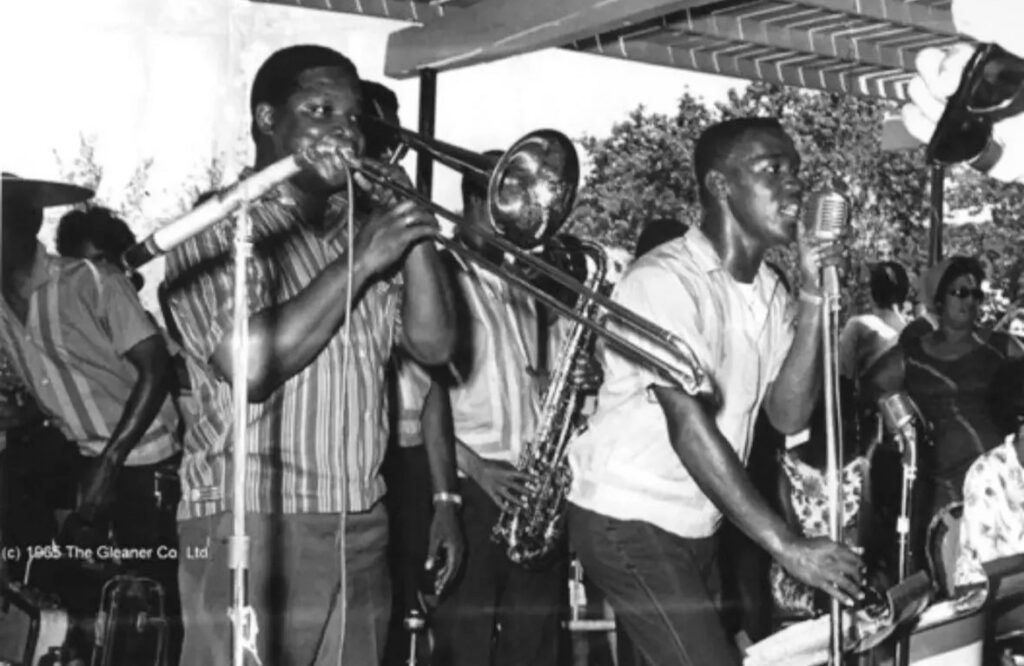
As Musical Director and head arranger for the Jamaica Broadcasting Corporation (JBC), Malcolm played a pivotal role in developing the influential Jamaican Hit Parade. He also became the first arranger to formally score Jamaican Ska music for orchestral performance by the JBC Studio Band, elevating a developing musical style into a sophisticated art form.
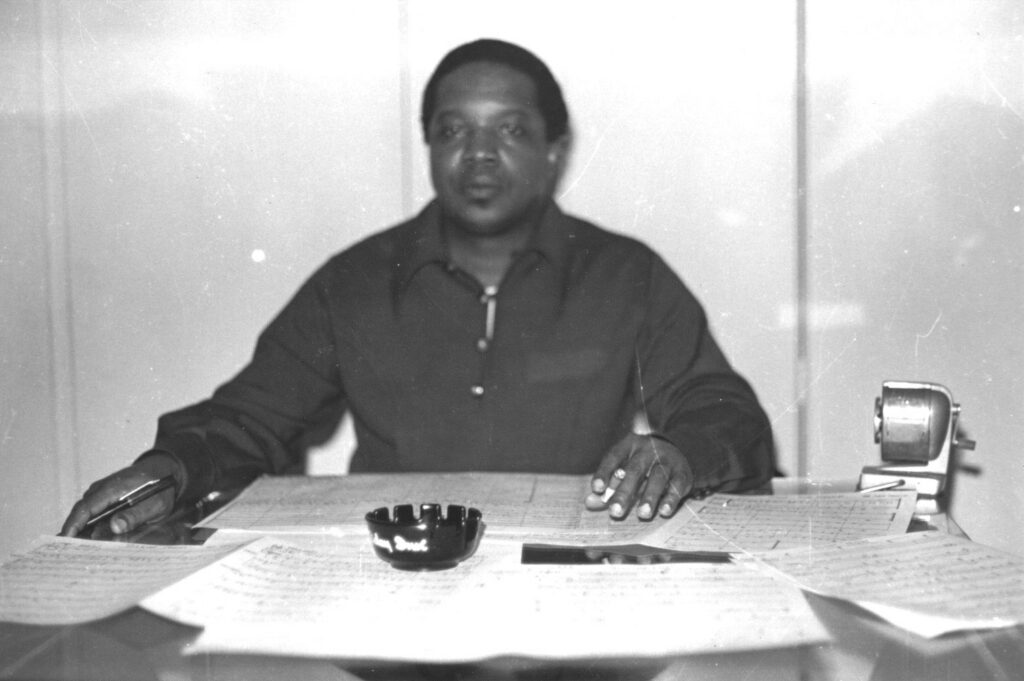
Those groundbreaking arrangements helped launch and support the careers of internationally renowned artists such as Bob Marley and Jimmy Cliff while contributing significantly to the development of Ska, Rocksteady, and Reggae music. His work helped transform Jamaican music from a local cultural expression into a global phenomenon.
Malcolm’s creative vision extended beyond broadcasting and orchestral arrangements. As leader of Carlos Malcolm and His Afro-Jamaican Rhythms , he pioneered a distinctive musical style that blended traditional Jamaican mento rhythms with jazz harmonies and African musical influences. Music historians have credited him with helping Jamaica define its national musical identity during a transformative period in the country’s history.
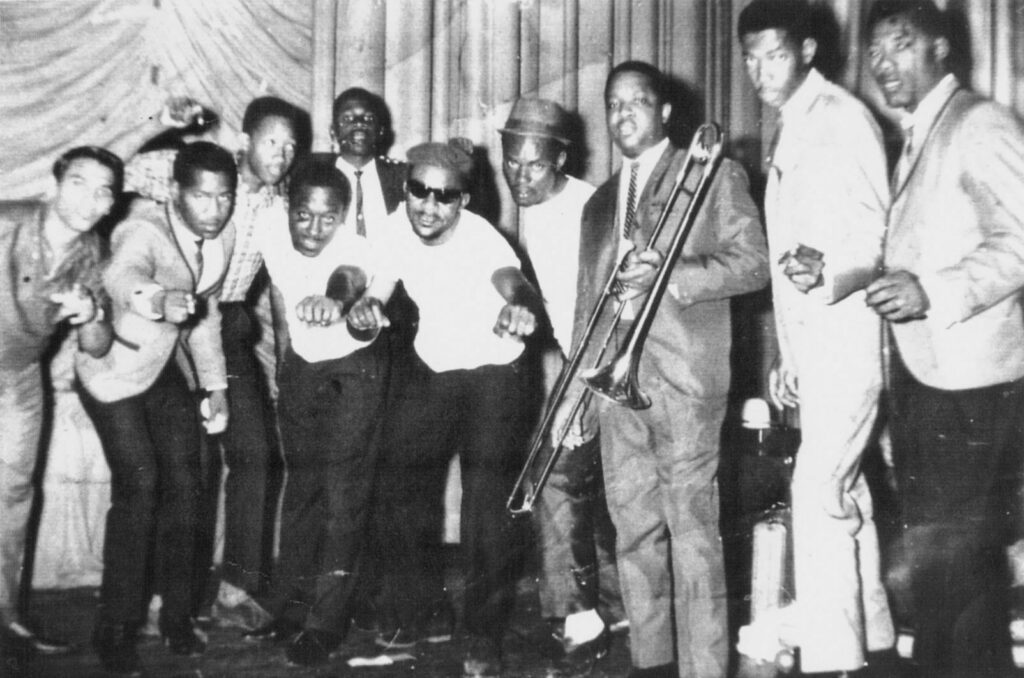
His influence reached Hollywood as well. Malcolm was commissioned to compose tropical background music for scenes featured in Dr. No (1962), the first James Bond film, which was filmed in Jamaica.
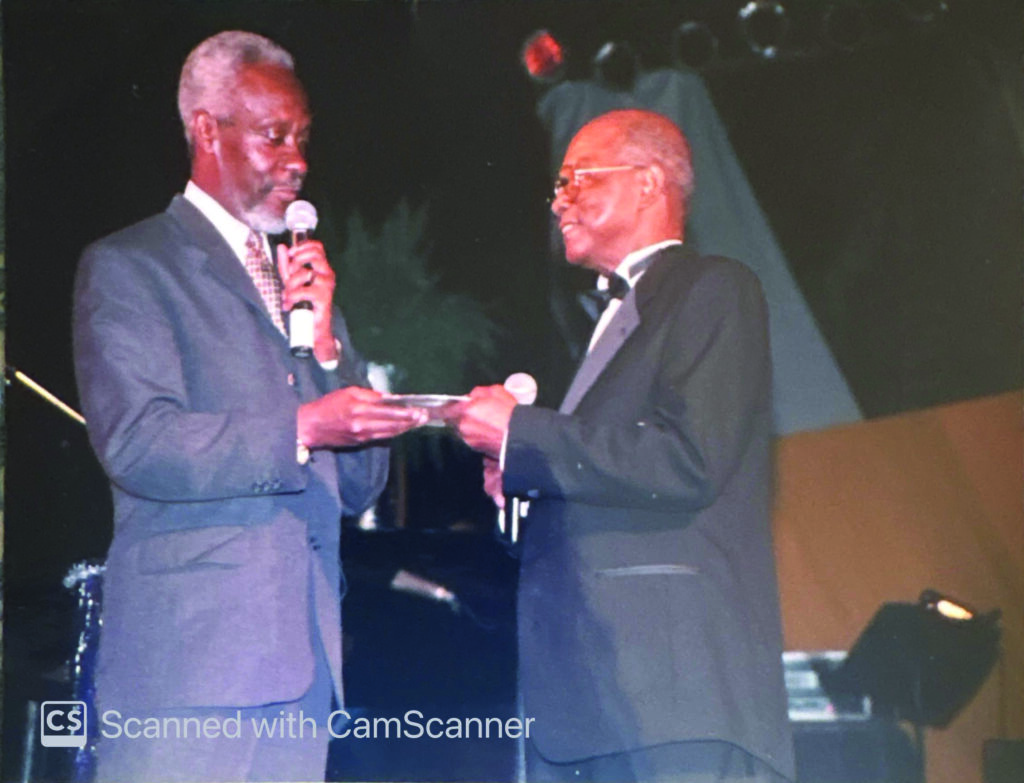
Throughout his distinguished career, Malcolm earned numerous honors and accolades. He served as the first Musical Director of the Jamaica National Dance Theatre Company during Jamaica’s inaugural Independence celebrations in 1962. In 1995, he was inducted into the Ocho Rios Jazz Festival Hall of Fame alongside celebrated jazz saxophonist James Moody.
The Government of Jamaica recognized Malcolm’s lifetime of achievement with several prestigious awards, including the Prime Minister’s Lifetime Achievement Award in 2000. He later received the Jamaica Association of Recording Industry Artists (JARIA) Lifetime Achievement Award in 2017 and was honored with the Order of Distinction for his exceptional contributions to Jamaican culture and music.
While his musical accomplishments were remarkable, Malcolm’s commitment to education was equally significant. He developed BACK TO BASICS – with a Musical Twist (bak2bay6) an innovative educational program that used music to strengthen language development, mathematics, critical thinking, and learning recovery among young people.
The program was implemented successfully in schools and youth rehabilitation programs in California and later demonstrated in Florida and Melbourne, Australia, where educators praised its effectiveness and creativity.
In 2017, Malcolm added author to his list of accomplishments with the publication of his autobiography, A Personal History of Post-War Jamaican Music: New Orleans Jazz, Blues to Reggae. The acclaimed work chronicled the evolution of modern Jamaican music and documented the musicians, cultural influences, and historical developments that shaped one of the world’s most influential musical traditions. Jamaican journalist Mike Jarrett described the book as “an important historical document that traces the evolution of a global phenomenon.”
Beyond the awards, performances, and historic achievements, those closest to Malcolm remember him as a devoted husband, father, grandfather, great-grandfather, uncle, mentor, and friend. His influence extended far beyond concert halls and recording studios, touching countless lives through his generosity, guidance, and dedication to preserving Caribbean culture.
His passing marks the end of an extraordinary chapter in Jamaican music history, but his legacy will continue to inspire future generations.
The Malcolm family announced the launch of an official legacy preservation initiative dedicated to documenting, archiving, preserving, and expanding public awareness of Malcolm’s foundational role in Jamaican music history. Planned projects include archival preservation efforts, educational initiatives, musical tributes, documentary development, and cultural programming designed to ensure that future generations understand and appreciate the profound impact of his life and work.
Carlos Malcolm leaves behind a legacy that transcends music—a legacy of cultural pride, artistic excellence, education, and service. His contributions helped shape the soundtrack of a nation and influenced the course of Caribbean music around the world.
Though he has taken his final bow, the rhythms he created and the lives he touched will continue to resonate for generations to come.
About Author